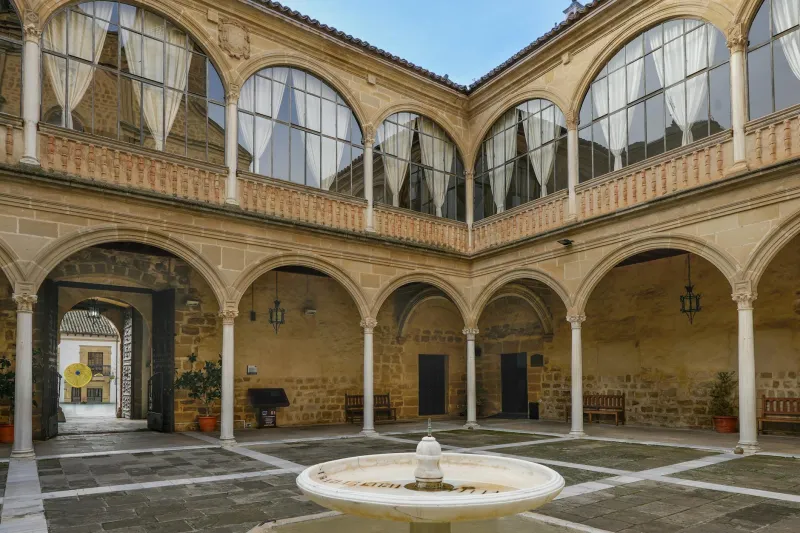
The Inheritance Lottery's Unintended Consequences
In 1519, Hernán Cortés stood on the shores of Mexico with 600 men and a burning desire to prove himself worthy of the power he would never inherit. As a second son of minor Spanish nobility, Cortés possessed all the education, connections, and ambition of his class but none of its guaranteed rewards. This combination—training for authority coupled with structural exclusion from it—would prove one of history's most potent forces for both creation and destruction.
 Photo: Hernán Cortés, via i.ytimg.com
The system of primogeniture that dominated European inheritance for over a millennium created an unintended byproduct: vast numbers of educated, ambitious men with nothing to lose and everything to prove. These "almost-elites" possessed insider knowledge of how power operated but outsider motivation to challenge existing arrangements. Their energy, channeled through exploration, revolution, scholarship, and conquest, shaped the modern world far more than the actual inheritors they served.
The Mathematics of Exclusion
Primogeniture's logic was simple: concentrate wealth and power in the eldest son to prevent the fragmentation that had destroyed earlier inheritance systems. But the mathematical reality was more complex. Every generation of noble families produced multiple educated sons who understood governance, military strategy, and political networks but would inherit none of the resources to employ this knowledge conventionally.
The Spanish Empire provides the clearest example of how this dynamic operated at scale. The conquistadors who carved out vast territories in the Americas were overwhelmingly younger sons of minor nobility. They possessed the military training and social connections necessary for large-scale expeditions but lacked the inherited wealth to pursue conventional advancement in Spain. The New World offered them the only available path to the power their education had prepared them to wield.
Cortés, Pizarro, De Soto, and dozens of other conquistadors shared remarkably similar backgrounds: sufficient noble blood to command respect, sufficient education to organize complex expeditions, and sufficient exclusion from inheritance to make extreme risks attractive. Their success in conquering established civilizations reflected not just military advantage but the desperate energy of men who had been trained for power and then systematically denied it.
The English Innovation
England's experience with its almost-elites took a different but equally consequential path. Rather than external conquest, English second sons increasingly turned their frustrated ambitions toward internal transformation. The English Civil War of the 1640s was substantially powered by educated men who understood how traditional authority operated and had concluded that the system offered them no legitimate path to influence.
Oliver Cromwell himself exemplified this pattern. Born into the minor gentry with sufficient education to understand governance but insufficient inheritance to pursue it conventionally, Cromwell channeled his political energy into religious and constitutional revolution. The New Model Army that defeated the royalists was officered largely by men of similar background: educated enough to envision alternative political arrangements, excluded enough to fight for them.
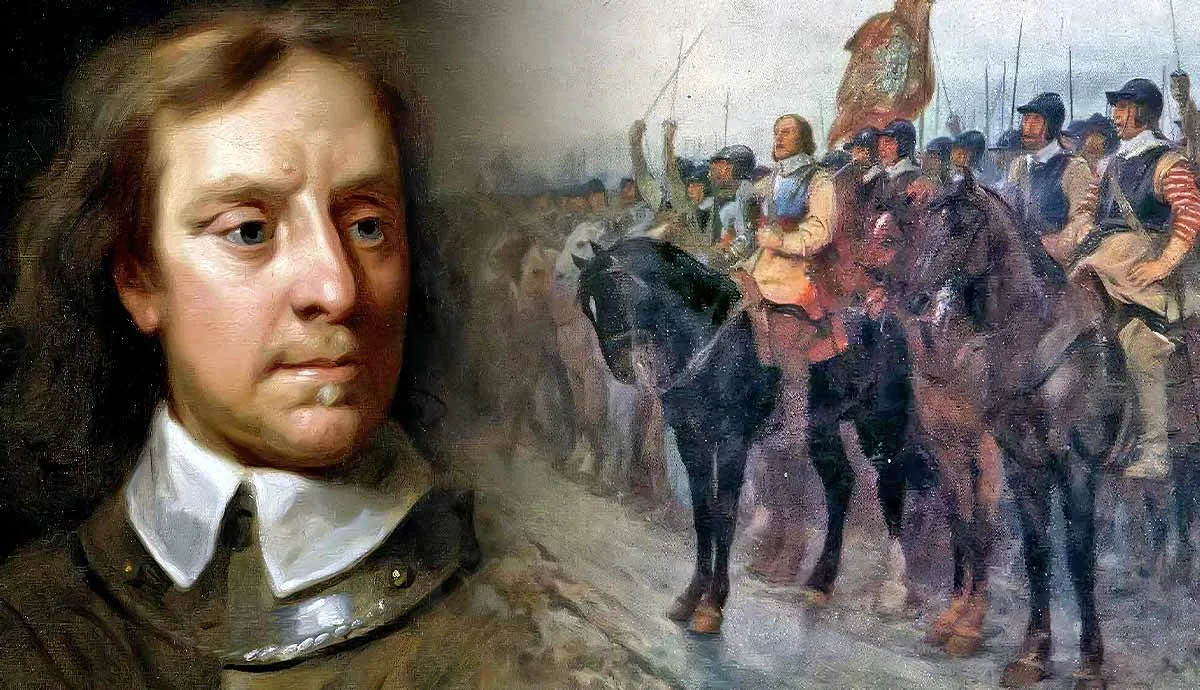 Photo: Oliver Cromwell, via cdn.thecollector.com
This dynamic proved more transformative than the conquest model because it directly challenged existing institutions rather than simply extending them into new territories. The constitutional innovations developed during the English Republic—parliamentary supremacy, religious toleration, proto-democratic representation—emerged from the practical experience of governing without traditional legitimacy. Almost-elites, lacking inherited authority, had to develop new sources of political power.
The American Amplification
The founding generation of the United States represents perhaps the most successful channeling of almost-elite energy in human history. The American colonies attracted disproportionate numbers of educated Europeans who had been structurally excluded from power in their home countries. These men arrived with intimate knowledge of how European political systems operated and strong motivation to improve upon them.
Alexander Hamilton, born illegitimate in the Caribbean, possessed the financial sophistication of the merchant class but none of its inherited position. Thomas Jefferson, despite his plantation wealth, represented Virginia's secondary elite rather than its primary aristocracy. Benjamin Franklin, the archetypal self-made man, understood printing, diplomacy, and natural philosophy but had been excluded from traditional paths to influence.
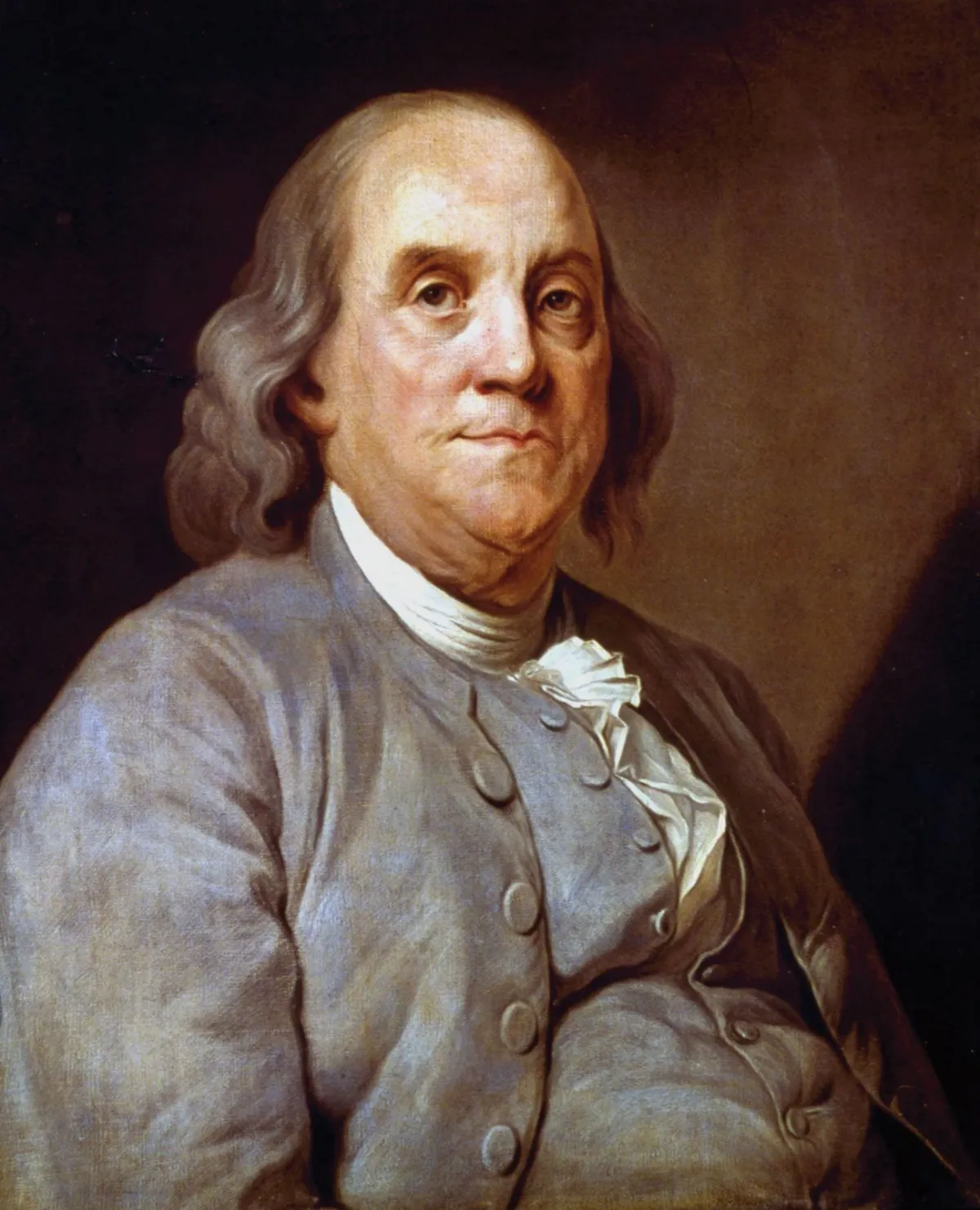 Photo: Benjamin Franklin, via cdn.britannica.com
What made the American experience unique was the absence of established institutions that could absorb or suppress almost-elite energy. In Europe, second sons might become military officers, colonial administrators, or church officials—roles that channeled their ambitions within existing systems. In America, the weakness of traditional institutions forced almost-elites to create new ones.
The constitutional framework they developed reflected their particular perspective: sophisticated enough to understand the mechanisms of power, outsider enough to question the necessity of traditional arrangements. The separation of powers, federalism, and written constitutionalism all emerged from the practical experience of men who had been trained for authority but forced to earn it through innovation rather than inheritance.
The Technological Revolution
The Industrial Revolution demonstrates how almost-elite energy transferred from political to technological transformation. As traditional European societies became more rigid during the 18th and 19th centuries, educated men excluded from conventional advancement increasingly turned their attention toward mechanical and scientific innovation.
James Watt, whose steam engine improvements launched industrial manufacturing, came from Scotland's educated middle class but lacked the capital or connections for traditional advancement. His mechanical innovations reflected both sophisticated understanding of natural philosophy and desperate need for alternative sources of wealth and status.
This pattern repeated across multiple technologies. Men with sufficient education to understand complex problems but insufficient inheritance to pursue conventional solutions consistently drove technological innovation. The energy that had previously powered conquest and revolution increasingly flowed toward mechanical and scientific breakthroughs.
The Contemporary Echo
The almost-elite dynamic persists in modified forms within contemporary American society. Silicon Valley's transformation of global economics reflects many of the same patterns: highly educated individuals who felt excluded from traditional paths to influence creating new systems that bypass established institutions entirely.
The technology entrepreneurs who built modern computing, internet infrastructure, and social media platforms often came from backgrounds that provided sophisticated technical education but limited access to traditional corporate or political power. Their innovations consistently challenged existing arrangements rather than simply improving efficiency within them.
This suggests that the almost-elite phenomenon transcends specific inheritance systems. Any society that creates educated, ambitious individuals while simultaneously limiting their access to conventional power sources will likely experience the channeling of frustrated elite energy toward transformative innovation—whether technological, political, or territorial.
The Double-Edged Legacy
The historical record reveals that almost-elite energy is fundamentally amoral. The same psychological and social dynamics that produced constitutional democracy and technological revolution also powered conquest, slavery, and colonial exploitation. Second sons seeking to prove their worth created both the institutions that expanded human freedom and the systems that systematically denied it to others.
This duality suggests that the key variable is not the existence of almost-elites but the institutional channels available for their ambitions. Societies that provide constructive outlets for excluded elite energy tend to experience innovation and expansion. Those that fail to do so often face revolution or collapse as frustrated ambitions seek destructive expression.
Understanding this pattern may be crucial for contemporary policy-making. As educational access expands while economic opportunity concentrates, modern societies risk creating large populations with elite training but sub-elite prospects. The historical record suggests that such populations will find outlets for their energy—the question is whether those outlets will prove constructive or destructive for existing institutions.