The Accountants of Armageddon
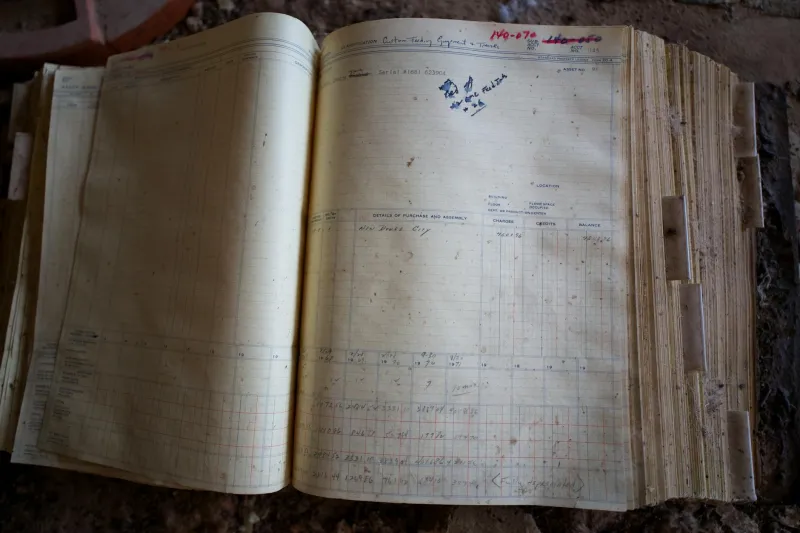
When archaeologists excavated the administrative quarters of Kanesh, a thriving Assyrian trading hub from 2000 BCE, they discovered something that would become depressingly familiar to students of economic collapse: meticulous records showing how the city's own financial administrators had systematically sold trade route information to competitors while simultaneously inflating local commodity prices through artificial scarcity.
The tablets tell a story modern Americans might recognize. Trusted officials, granted extraordinary access to sensitive economic intelligence, quietly repositioned their personal holdings while feeding misinformation to the markets they were supposed to stabilize. When Kanesh's economy imploded eighteen months later, these same administrators had mysteriously acquired substantial assets in rival trading centers.
This was not an anomaly. It was the opening movement of a symphony that has played, with minor variations, for five thousand years.
The Byzantine Blueprint
By the time Constantine established his new Rome on the Bosphorus, the administrative class had refined their methods considerably. The eunuch bureaucrats who ran the empire's finances developed what modern analysts would recognize as sophisticated insider trading schemes, selling advance knowledge of imperial policy changes to foreign courts while simultaneously positioning themselves to profit from the resulting market disruptions.
The most documented case involves Stephanos, chief financial secretary under Emperor Michael VII. Palace records, preserved in the Vatican archives, show that Stephanos provided detailed intelligence about planned debasements of the gold solidus to Venetian merchants six months before the announcements. While Byzantine citizens saw their savings evaporate overnight, Stephanos had quietly converted his holdings to Venetian ducats and Genoese property.
When the empire's economy collapsed in 1071, triggering the crisis that would ultimately lead to the Fourth Crusade's sack of Constantinople, investigators found that virtually every senior financial official had maintained foreign accounts and had been feeding sensitive information to external parties for years.
The human psychology at work here transcends culture and century. Grant someone privileged access to information that affects the wealth of millions, and they will inevitably find ways to monetize that access for personal benefit. The question is not whether this will happen, but how systematically it will be organized and how long it will take to destroy the underlying institution.
The Dutch Precedent
The Dutch East India Company provides perhaps the most thoroughly documented example of institutional financial betrayal leading to economic collapse. Company records, maintained with characteristic Dutch precision, reveal a pattern of systematic information manipulation that began almost immediately after the company's founding in 1602.
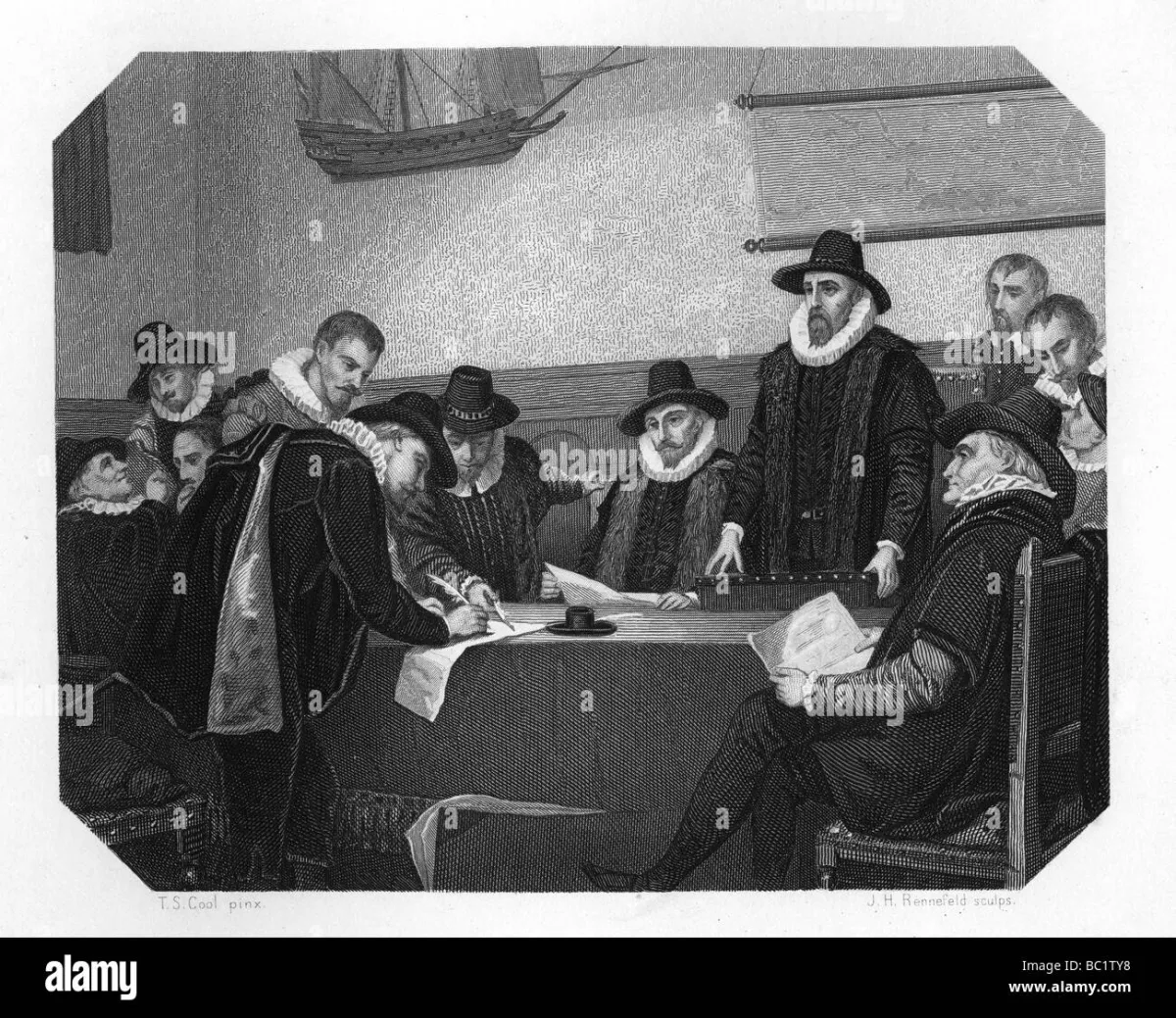 Photo: Dutch East India Company, via c8.alamy.com
Senior company officials routinely provided false commodity reports to Amsterdam markets while maintaining private trading accounts that profited from the resulting price distortions. The practice became so normalized that by the 1670s, company directors were openly coordinating their personal trades with planned announcements of shipping delays, harvest failures, and political developments in company territories.
The psychological mechanism was straightforward: officials convinced themselves that their superior knowledge entitled them to superior profits. They rationalized their actions as simply being more intelligent investors rather than what they actually were: thieves with institutional access.
When the company finally collapsed in 1799, forensic analysis of its books revealed that virtually every major financial decision in its final fifty years had been made primarily to benefit the personal portfolios of its administrators rather than to advance the interests of shareholders or the Dutch state.
The American Mirror
Modern Americans observing this historical pattern might experience a familiar discomfort. The same psychological dynamics that drove Assyrian treasurers and Byzantine eunuchs operate today in Federal Reserve boardrooms and Treasury Department corridors.
The revolving door between government financial positions and private sector opportunities creates identical incentive structures to those that destroyed previous civilizations. Officials granted temporary stewardship over monetary policy inevitably position themselves to profit from that knowledge once they return to private practice.
The 2008 financial crisis provides a case study in this dynamic. Treasury officials who had spent years in senior positions at major investment banks returned to those same firms after implementing bailout policies that directly benefited their future employers. The psychological rationalization was identical to that used by their historical predecessors: they were simply applying superior expertise rather than exploiting privileged access.
The Structural Inevitability
What makes this pattern so persistent across cultures and centuries is that it emerges from basic human psychology interacting with institutional design. Create a position that grants privileged access to market-moving information, and the holder of that position will find ways to monetize that access. This is not a moral failing unique to particular individuals or cultures; it is a predictable outcome of specific structural arrangements.
The historical record suggests that no civilization has successfully solved this problem through moral exhortation or regulatory oversight alone. The officials tasked with oversight inevitably develop the same conflicts of interest as those they are supposed to monitor.
The Price of Patterns
Every civilization that has experienced this cycle of financial betrayal has followed a similar trajectory: initial prosperity built on legitimate institutional strength, gradual capture of financial institutions by their administrators, systematic exploitation of privileged access, market distortions that benefit insiders while harming the broader population, loss of institutional legitimacy, and finally economic collapse as the underlying productive capacity can no longer support the extraction.
The United States currently exhibits several characteristics that historians associate with late-stage institutional capture: widespread revolving door practices between government and private finance, systematic policy decisions that benefit financial insiders while harming broader economic stability, and growing public awareness of these dynamics coupled with institutional inability to address them.
The historical pattern suggests that this trajectory, once established, proves remarkably resistant to reform efforts. The same officials who would need to implement meaningful change are typically those who benefit most from existing arrangements.
Five thousand years of data points toward an uncomfortable conclusion: civilizations do not typically solve the problem of financial insider betrayal. They simply experience its consequences and are replaced by societies that have not yet developed the same vulnerabilities.
The question for contemporary Americans is not whether this pattern will continue, but how long existing institutions can sustain the extraction before fundamental structural changes become unavoidable.