Victory's Price: Why Winning Generals Throughout History Have Been Their Own Worst Enemy
The Mathematics of Military Success
In 559 AD, Belisarius stood at the pinnacle of Byzantine military achievement. He had reconquered North Africa, smashed the Vandals, and restored Roman control over territories lost for generations. His reward from Emperor Justinian was systematic humiliation, stripped commands, and eventual disgrace. The pattern was already ancient when Belisarius lived it, and it would repeat with mechanical precision for the next fifteen centuries.
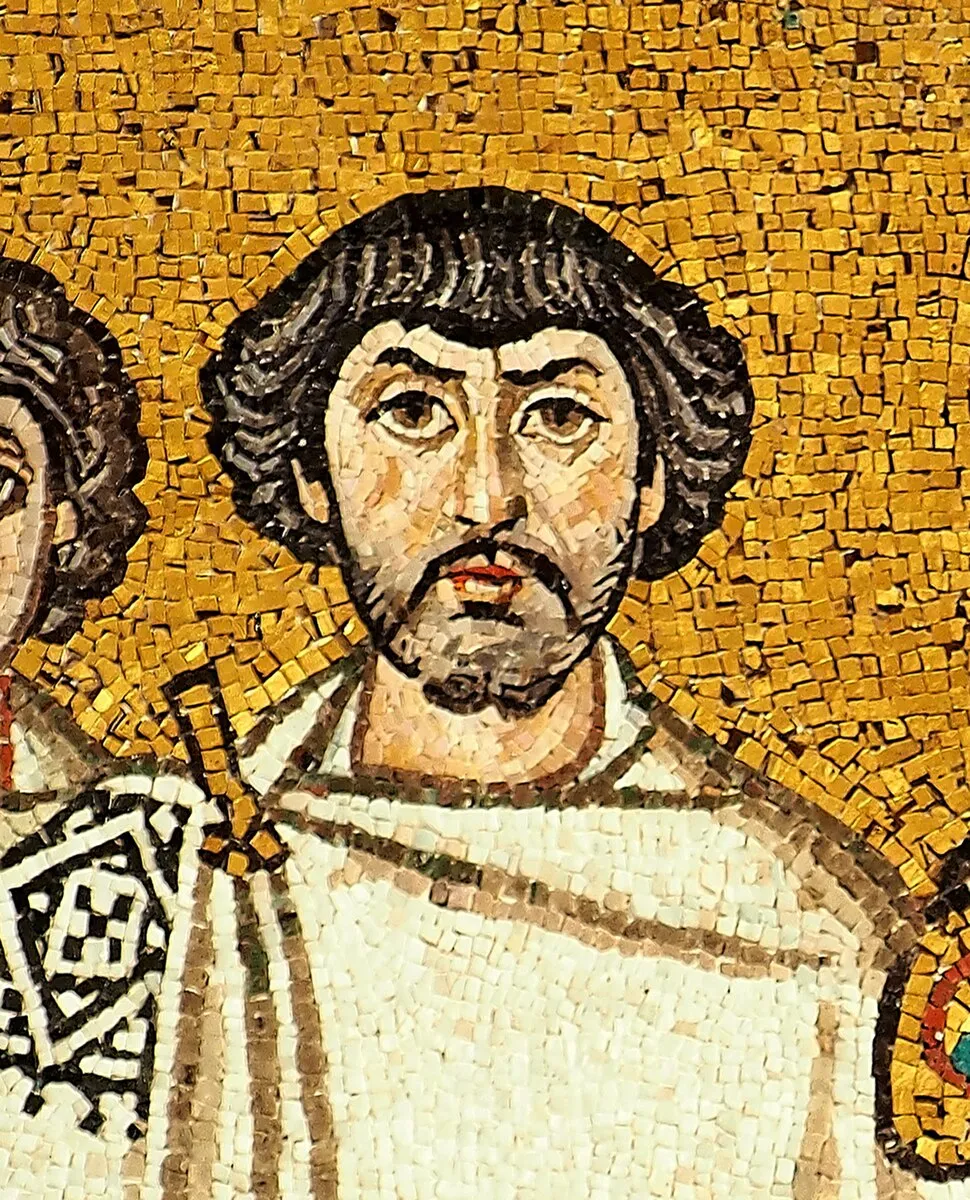 Photo: Belisarius, via upload.wikimedia.org
General Douglas MacArthur learned this lesson in 1951 when President Truman relieved him of command during the Korean War. MacArthur's crime was not incompetence—quite the opposite. His success in the Pacific Theater had made him a national hero, and his strategic vision in Korea, however controversial, commanded genuine respect among both military professionals and the American public. That respect was precisely the problem.
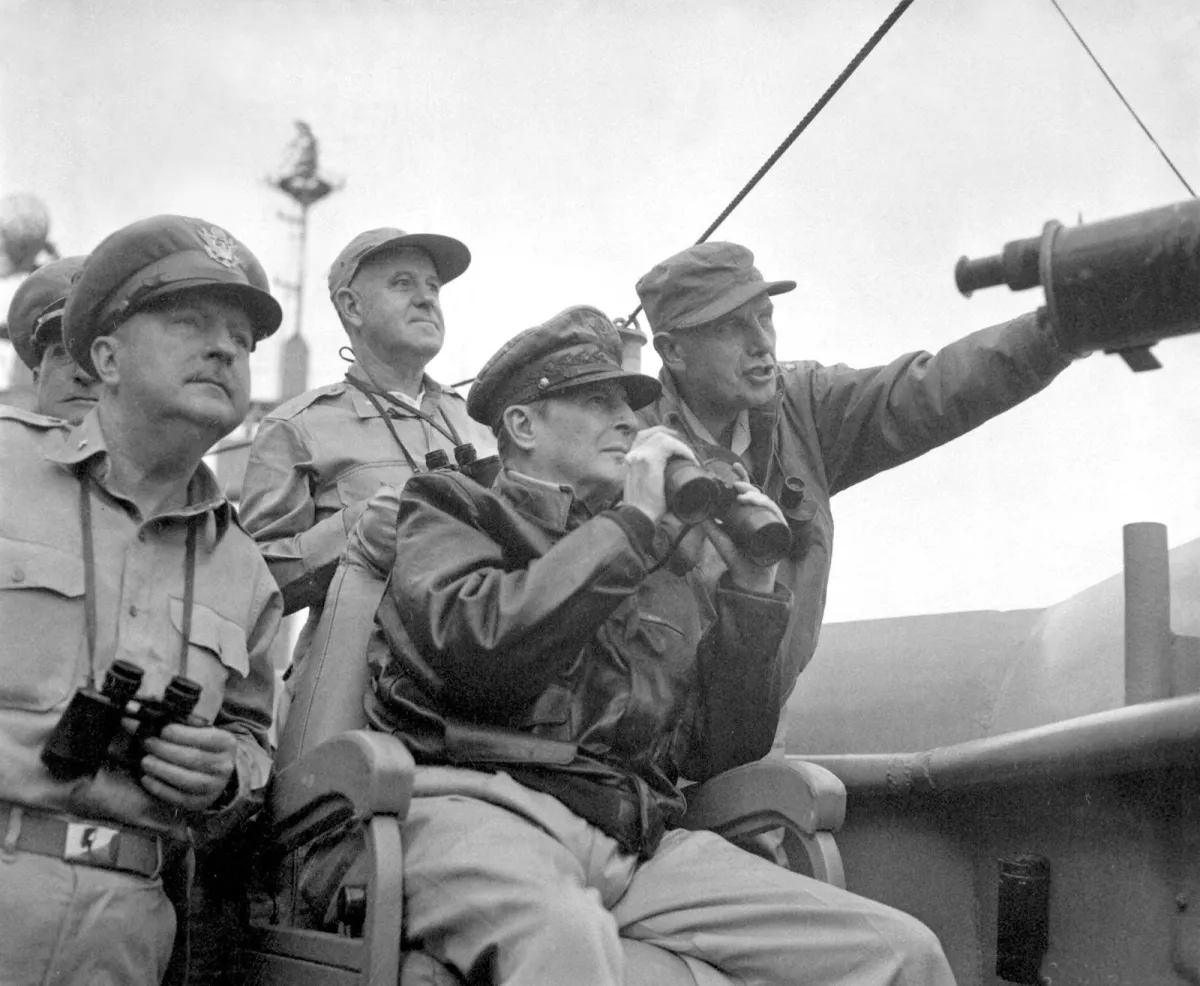 Photo: Douglas MacArthur, via cdn.britannica.com
The Structural Terror of Competence
Human psychology has not evolved since the Bronze Age, and neither has the fundamental tension between political authority and military effectiveness. Leaders throughout history have faced the same calculation: exceptional generals win wars, but they also accumulate loyalty, prestige, and independent power bases that can threaten civilian control.
Consider Pompey the Great, whose military brilliance cleared the Mediterranean of pirates and expanded Roman territory across the known world. His success earned him the title "Magnus" and the enduring suspicion of the Roman Senate. When Caesar crossed the Rubicon, it was partly because the Senate's treatment of Pompey had demonstrated what happened to generals who became too successful for their own good.
The pattern transcends cultures and centuries. In Ming China, General Qi Jiguang revolutionized military tactics and successfully defended against Japanese invasions. His innovations saved the empire, and his reward was political isolation and career stagnation. The Qing Dynasty would later repeat this template with General Zeng Guofan, whose success against the Taiping Rebellion made him simultaneously indispensable and intolerable to the imperial court.
The American Experience
The United States, despite its democratic traditions, has not escaped this historical pattern. George Washington's voluntary resignation of his commission after the Revolutionary War was so unprecedented that it shocked observers worldwide—King George III reportedly said that if Washington gave up power voluntarily, he would be "the greatest man in the world." The shock reveals how unusual Washington's behavior was by historical standards.
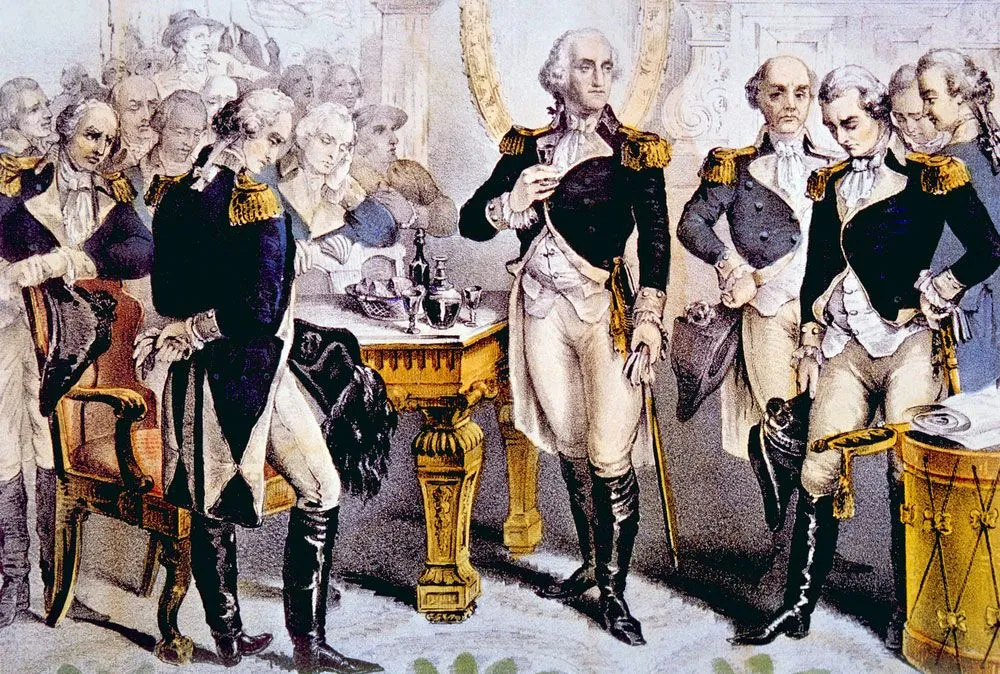 Photo: George Washington, via cdn.britannica.com
More typical was the treatment of General George Patton, whose aggressive leadership and public profile made him both invaluable and problematic for Allied command. His "slapping incidents" and controversial statements provided convenient pretexts for limiting his authority, but the underlying tension was structural: Patton's success and popularity made him difficult to control.
The MacArthur dismissal represents the most dramatic American example of this ancient pattern. Truman's decision was constitutionally correct and politically necessary, but it followed a template established thousands of years before the Constitution existed. MacArthur's public disagreements with administration policy were symptoms, not causes, of a deeper problem: his military success had made him too powerful for the comfort of civilian leadership.
Why This Pattern Persists
The historical record suggests that this dynamic is not a bug in political systems—it is a feature. Civilizations that allow successful generals to accumulate unchecked power rarely survive as civilian-controlled societies. The Roman Republic's transformation into the Empire began with generals like Marius, Sulla, and eventually Caesar who leveraged military success into political dominance.
Yet civilizations that systematically destroy their most competent military leaders face a different problem: they lose wars. The Ottoman Empire's decline accelerated after the palace began prioritizing political reliability over military competence in its officer corps. The result was a series of military disasters that no amount of political loyalty could overcome.
The Modern Dilemma
Contemporary military leaders understand this historical pattern, even if they rarely discuss it publicly. The most successful modern generals have learned to manage their public profiles carefully, avoiding the appearance of political ambition while maintaining the aggressive competence their positions require.
General David Petraeus exemplifies both the opportunities and dangers of this balance. His intellectual approach to counterinsurgency and his media sophistication made him exceptionally effective in Iraq and Afghanistan. Those same qualities also generated the kind of public attention and political speculation that has historically proven dangerous to military careers.
The pattern reveals something fundamental about human nature that five thousand years of civilization have not changed: we need exceptional leaders to handle exceptional challenges, but we fear exceptional leaders precisely because they are capable of handling exceptional challenges. The experiments conducted on college students in psychology labs cannot capture this dynamic, but the historical record documents it with relentless consistency.
The Eternal Return
Every generation believes it has transcended the limitations of its predecessors, yet the same patterns emerge with predictable regularity. The technologies change, the uniforms evolve, and the weapons become more sophisticated, but the fundamental tension between military competence and political control remains constant.
The loyal general's dilemma is not a historical curiosity—it is a structural feature of organized societies. Understanding this pattern does not resolve it, but it does provide context for evaluating contemporary civil-military relations. The next time a successful military leader faces unexpected political difficulties, the explanation may be found not in recent events, but in a template that has been running for five millennia.