Before the Forecast, the Omen: How Priests Built the First Prediction Industry

Photo: ancient astronomer priests observing night sky stars, via images.stockcake.com
Every spring, the same scene replays across American cable news: an expert presents a forecast — a hurricane season, an inflation path, a harvest outlook — and the audience responds with a mixture of dependence and contempt. We need the prediction. We resent the predictor. When the forecast misses, the credibility of the entire profession takes the hit.
None of this is modern. The historical record shows that the prediction business, in its original form, was run by priests, and that the psychological contract they signed with their publics is the same one economists and climate scientists are operating under today.
The Mesopotamian Risk Desk
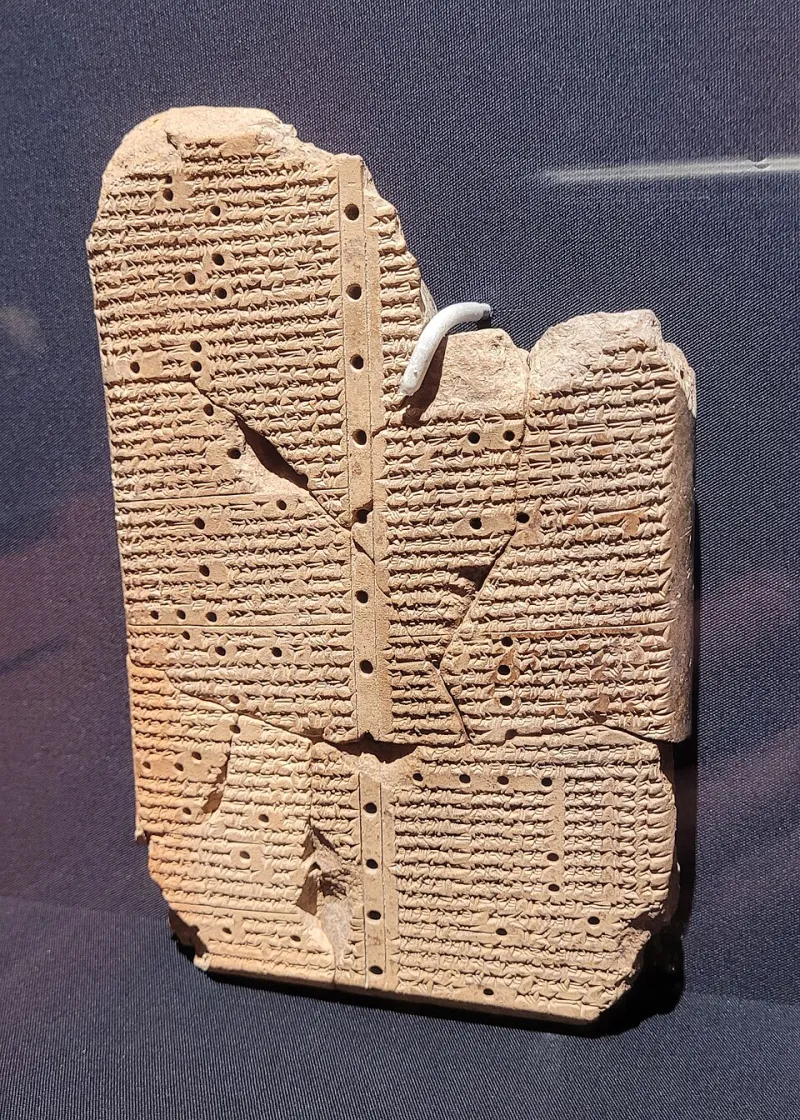
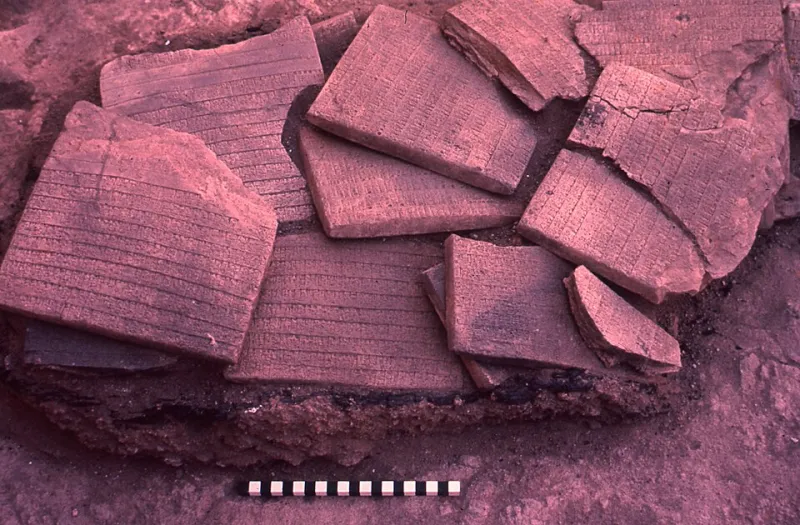
In Babylon and Assyria, the future was read in the sky and in the organs of sacrificed sheep. This sounds like superstition until you notice the institutional machinery around it. Court astrologers maintained systematic records of omens and their observed outcomes, some stretching back centuries — genuinely long-run datasets, compiled generation after generation, in the service of forecasting floods, famines, and harvests.
These were not idle rituals. Kings made military and agricultural decisions on the basis of omen readings, and the readers bore consequences: Assyrian letters show astrologers hedging their pronouncements, offering multiple interpretations, and carefully attributing misses to ambiguous signs. A modern analyst issuing scenario-based projections with generous caveats is running the same play. When the stakes are your credibility, precision is a trap, and the record shows that professionals have always known it.
The Inca Solution: Replace Prophecy With Accounting
The Inca Empire took a different and, arguably, more sophisticated approach. Rather than predicting rainfall through omens, Andean administrators built an observational system: quipu — knotted cord records — tracked production, storage, and population across the empire, while state astronomers monitored the sun's movements along the horizon to time planting cycles. The Incas did not so much forecast the future as accumulate enough surplus and enough granular record-keeping to survive being wrong about it.
This is the quiet lesson of the Andean system, and it is the one modern forecasting culture tends to miss. The most reliable institutions in the record were not the ones with the best predictions. They were the ones that treated prediction as one input among several and built buffers — storehouses, redundancy, diversification — against the forecasts failing. The Inca state's famous storehouse network was, in effect, a hedge against everyone's model being wrong.
The Five-Millennium Contract With the Expert
Look across the record — Babylonian omen libraries, Egyptian nilometers that measured the Nile's flood and predicted the harvest, Chinese court astronomers who were executed for failed eclipse predictions — and a consistent contract emerges between societies and their forecasters.
The public demands confidence. The expert who delivers it is rewarded until the moment the forecast fails, at which point the same confidence becomes evidence of arrogance. The expert who hedges is punished for uselessness. Every prediction profession in history has oscillated between these two failure modes, and the oscillation is driven by the audience, not the forecaster.
That is the timely point for contemporary America. The current erosion of trust in economists, epidemiologists, and climate scientists is routinely framed as a modern crisis of expertise. The record suggests it is simply the standard cycle of the prediction business, running on schedule. Societies have always loved their forecasters in calm years and burned them in bad ones — sometimes literally, in the case of the Chinese astronomers.
What distinguished the durable civilizations was not better prophets. It was institutions humble enough to keep records of their own misses, and pragmatic enough to build storehouses rather than shrines. The priests who survived were the ones who wrote down what actually happened. That habit — the honest ledger, kept past the point of embarrassment — is the entire difference between the archives we study and the civilizations we have forgotten.