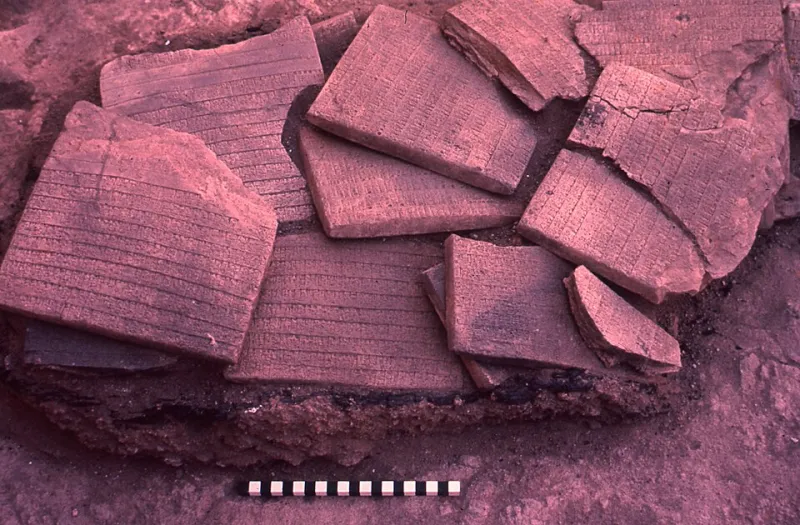
Copper, Clay, and the Eternal Refund: The World's Oldest Support Ticket Still Holds Up
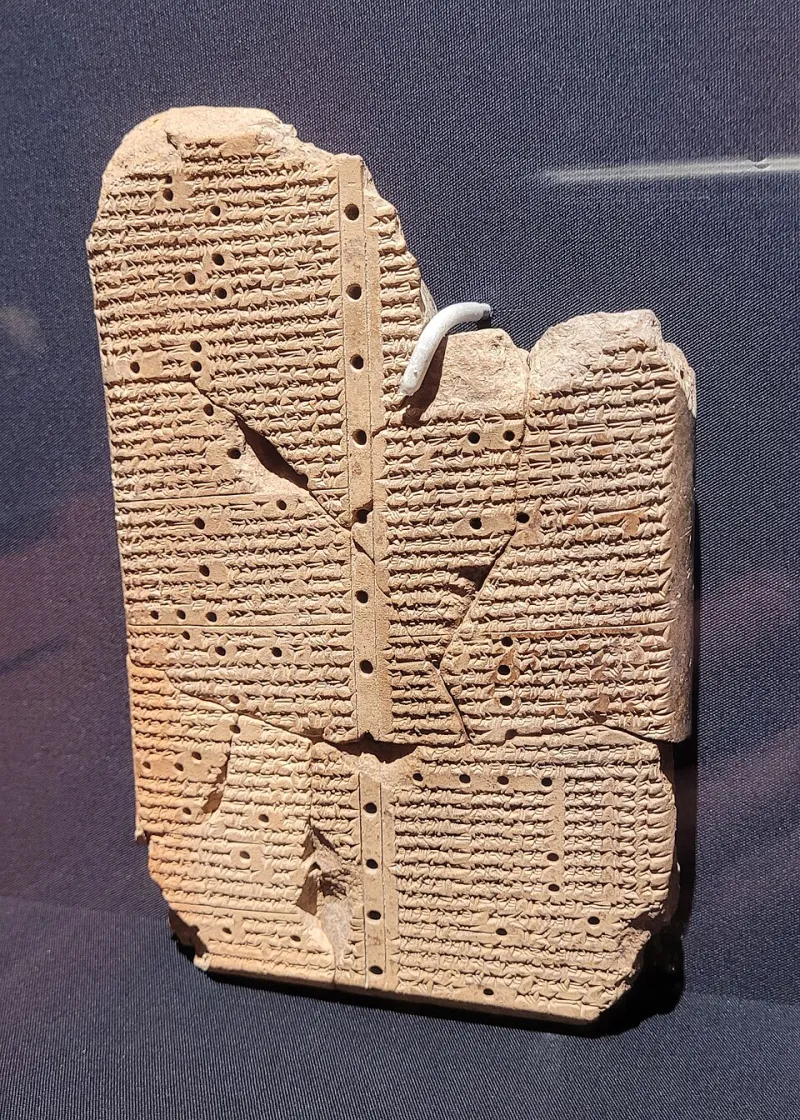
Photo: Superraptor123, CC BY-SA 4.0, via Wikimedia Commons
Somewhere in a museum storage room in London sits a clay tablet that any American customer service department would recognize within seconds. It is a complaint, in writing, from a paying customer who received the wrong goods, was treated dismissively, and wants his money back. It was filed around 1750 BCE.
The tablet is part of a larger archive belonging to a copper merchant named Ea-nasir, whose home in Ur — excavated in the 1920s — turned out to be stuffed with correspondence from people he had apparently infuriated. One letter, from a man named Nanni, complains that Ea-nasir's ingots were of poor quality and that his messenger was sent away empty-handed and contemptuous. Nanni's grievance reads less like ancient text and more like a transcript from a modern refund queue.
The Buyer's Lament Has a Fixed Structure
Strip away the cuneiform and the details, and Nanni's letter follows the same architecture as a complaint filed this morning through a chat widget. First, an itemized statement of what was promised. Second, an itemized statement of what arrived. Third, an account of the humiliation suffered in pursuit of resolution. Fourth, a threat to take the business elsewhere and tell everyone why.
That four-part structure appears again in the administrative appeals of imperial China, where merchants and local officials petitioned higher authorities over short weights and adulterated goods. It appears in Roman litigation over defective slaves and shoddy construction. It appears in the letter books of eighteenth-century American merchants, who wrote long, wounded letters to suppliers in London about moldy textiles and shorted barrels. The medium changes; the psychology does not.
The record suggests that what customers want has never actually been complicated. They want acknowledgment that the transaction failed, restoration of what they paid, and confirmation that their grievance was heard by a human being with authority. Nanni got none of the three, which is why his tablet is famous and Ea-nasir's reputation is, four thousand years on, that of history's first documented bad vendor.
Why the Merchant Kept the Letter
The most instructive part of the Ea-nasir archive is not the complaints themselves but the fact that they were preserved. Firing clay is an act of commitment. Someone in that household decided these documents mattered — either as evidence in a pending dispute or, some scholars suspect, as a personal trophy collection of grievances survived.
Both motives should feel familiar to anyone who has worked in a modern support organization. Tickets are kept because they are legally necessary and because they are, quietly, trophies: proof of battles fought, escalations defused, unreasonable demands endured. The Babylonian archive and the Zendesk database serve the same dual function. They are simultaneously liability records and institutional memory.
And like the modern database, the archive reveals the vendor more than the customer. Read enough complaints across enough centuries and a pattern emerges: the businesses that lasted were not the ones that avoided grievances — no merchant in any era has managed that — but the ones whose responses to grievance were fast, generous, and recorded. The ones that did not last left behind exactly the kind of paper trail Ea-nasir did.
What the Record Says About the Ticket Itself
The modern support ticket is often described as a corporate innovation, a byproduct of scale and software. The historical record says otherwise. Formalized, written, timestamped grievance processing is as old as long-distance trade, because the problem it solves is as old as long-distance trade: two parties, separated by distance, disagreeing about what was promised.
The lesson for American businesses is not nostalgia but symmetry. Every frustration a customer expresses today — the canned acknowledgment, the agent without authority, the resolution that arrives too late to matter — has a five-thousand-year precedent, and every one of those precedents ended the same way, with the buyer taking the story to everyone who would listen. In Nanni's case, the audience turned out to be the entire future.
The customer who feels cheated has always had two options: accept quietly, or make noise in writing. The written option used to require a stylus and wet clay. Now it requires a phone. The incentive to choose it has never once weakened.