Between Worlds: How History's Middlemen Outlasted Every Empire

The Dangerous Necessity
In 1519, when Hernán Cortés landed on the Yucatan coast, he possessed superior weapons, cavalry, and tactical knowledge. But his greatest asset proved to be a woman named Malintzin, later known as La Malinche, who spoke Nahuatl, Maya, and quickly learned Spanish. Without her linguistic bridge, the conquest of the Aztec Empire would have been impossible. Within two years, she had become Cortés's strategic advisor, diplomatic negotiator, and the mother of his child—accumulating influence that no Spanish conquistador had planned to grant a native woman.
This pattern—the indispensable translator who gradually accumulates unauthorized power—repeats with mechanical regularity across five millennia of recorded history. While modern international relations theory focuses on formal diplomatic channels, the deeper record reveals how informal intermediaries have consistently shaped outcomes in ways their employers never intended.
The Information Asymmetry
Translators and cultural intermediaries occupy a unique position in any power structure. They alone possess complete information about both sides of any exchange, while each side depends on them for access to the other. This information asymmetry creates opportunities for influence that formal political structures rarely anticipate or control.
Consider the role of Chinese interpreters during the Tang Dynasty's expansion into Central Asia. Silk Road merchants who spoke Chinese, Persian, and various Turkic languages became essential for diplomatic and commercial relations. Over time, these intermediaries began shaping the information flow to serve their own interests—emphasizing certain threats, downplaying others, and gradually positioning themselves as indispensable advisors to Tang officials who had no independent means of verification.
The psychological mechanism remains unchanged across cultures and centuries. Humans naturally trust those who help them communicate with outsiders, while simultaneously resenting their dependence on that help. This creates a volatile dynamic where interpreters gain influence through necessity but face constant suspicion from those they serve.
The Venetian Model
Medieval Venice provides perhaps the clearest example of systematic interpreter influence. The Republic's commercial empire depended entirely on merchants who could navigate the linguistic and cultural complexities of Mediterranean trade. These dragomans—interpreter-diplomats—gradually accumulated wealth and political influence that rivaled traditional Venetian nobility.
By the fourteenth century, dragoman families had established hereditary positions that effectively controlled Venice's relationships with the Ottoman Empire, North African states, and Eastern European kingdoms. They shaped trade agreements, influenced diplomatic protocols, and sometimes determined whether Venice went to war or made peace. The Venetian Senate officially governed the Republic, but the dragomans increasingly governed the Senate's information about the outside world.
This pattern emerges whenever communication barriers create dependency relationships. The interpreter becomes the indispensable link between worlds, gradually accumulating leverage that transforms advisory roles into decision-making authority.
Colonial Intermediaries
European colonial expansion created countless examples of interpreter influence exceeding formal authority. In British India, local officials who spoke English, Hindi, and regional languages became essential for colonial administration. These intermediaries—often dismissed as mere clerks by British officials—gradually accumulated enough influence to shape policy decisions affecting millions of people.
The East India Company's reliance on Bengali interpreters during the eighteenth century illustrates the pattern. Company officials, isolated by language barriers and cultural unfamiliarity, depended entirely on local intermediaries for information about regional politics, economic conditions, and potential threats. These interpreters learned to present information in ways that served their own interests, gradually shaping British policy to favor certain local factions over others.
Similar dynamics emerged in French Algeria, Dutch Indonesia, and Spanish America. In each case, colonial powers established formal hierarchies that placed European officials at the top, but informal influence flowed to those who controlled information exchange between rulers and ruled.
The Modern Persistence
Twentieth-century international relations demonstrate the same pattern operating through different mechanisms. During the Cold War, embassy translators and cultural attachés often accumulated influence that exceeded their official positions. They shaped how American officials understood Soviet communications, how Soviet leaders interpreted American intentions, and how both sides perceived third-world developments.
The Cuban Missile Crisis provides a striking example. Key negotiations depended on interpreters who made real-time decisions about how to translate concepts that had no direct equivalents between languages. These translation choices—made under extreme pressure by individuals with no formal authority—potentially influenced decisions that could have triggered nuclear war.
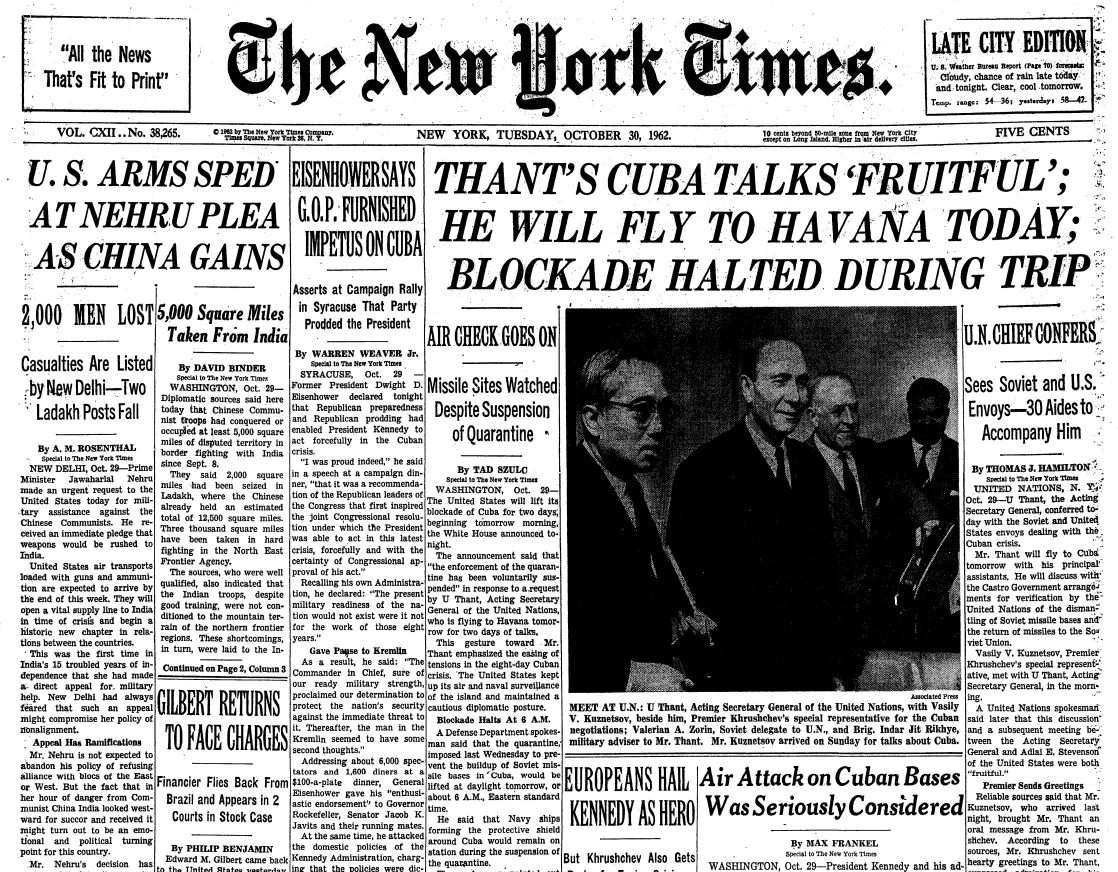 Photo: Cuban Missile Crisis, via s3.amazonaws.com
Modern diplomatic interpreters continue to wield unofficial influence through their control of information flow. They decide which nuances to emphasize, which cultural contexts to explain, and which potential misunderstandings to clarify or allow. This informal power operates beneath official diplomatic protocols but often determines their practical outcomes.
Digital Age Intermediaries
The internet age has created new categories of interpreter-intermediaries who bridge technological and cultural gaps. Social media platform moderators who understand multiple languages and cultures shape global information flow in ways their employers often don't fully comprehend. Algorithm designers who translate human behavior into machine-readable code accumulate influence over social and economic outcomes that exceeds any formal authority.
Tech company employees who understand both Silicon Valley culture and international markets increasingly function as modern dragomans, shaping how American technology companies understand foreign regulations, cultural sensitivities, and competitive threats. Their informal influence over product development and market strategy often exceeds that of formally appointed executives.
The Eternal Pattern
Five thousand years of recorded history suggest that intermediary influence represents a fundamental feature of human organization rather than a historical curiosity. Whenever communication barriers create dependency relationships, those who control information flow accumulate power that formal structures rarely anticipate or effectively constrain.
The pattern persists because human psychology hasn't evolved to handle information asymmetries effectively. We naturally trust those who help us communicate while resenting our dependence on their help. This creates opportunities for intermediaries to accumulate influence gradually, often without their employers recognizing what's happening until the balance of power has already shifted.
Understanding this pattern won't eliminate intermediary influence—communication barriers guarantee its continuation. But recognizing how translator power accumulates might help organizations design better systems for monitoring and channeling that influence before it exceeds intended boundaries.