Seven Ways Civilization Has Promised You Exposure Instead of Payroll
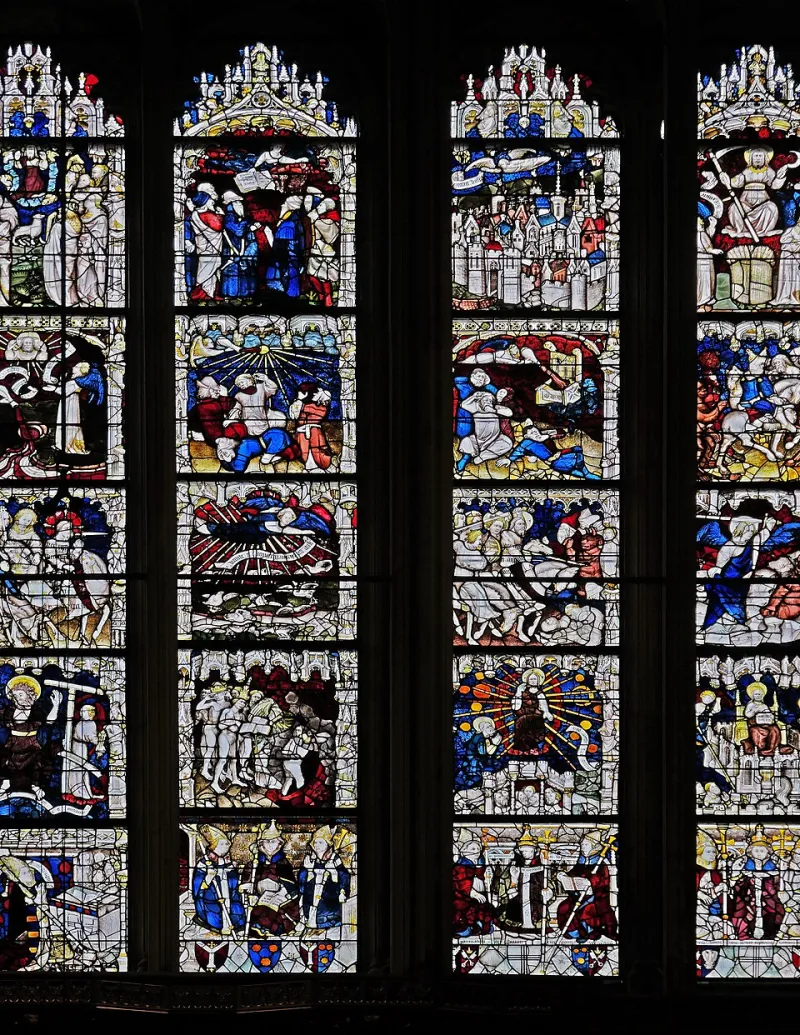
Photo: amandabhslater, CC BY-SA 2.0, via Wikimedia Commons
There is a particular species of job offer that has appeared in every recorded civilization. It goes something like this: we cannot pay you in money, but we can pay you in proximity. Work for us, learn from us, and the reputation you build will be worth more than wages ever could.
The deep record suggests this deal is older than coinage, older than the alphabet, and considerably older than the modern American internship. It is also, according to five thousand years of evidence, a deal with a predictable shelf life. Workers believe it for a while. Then they stop. What happens next is worth studying.
The Temple Economy
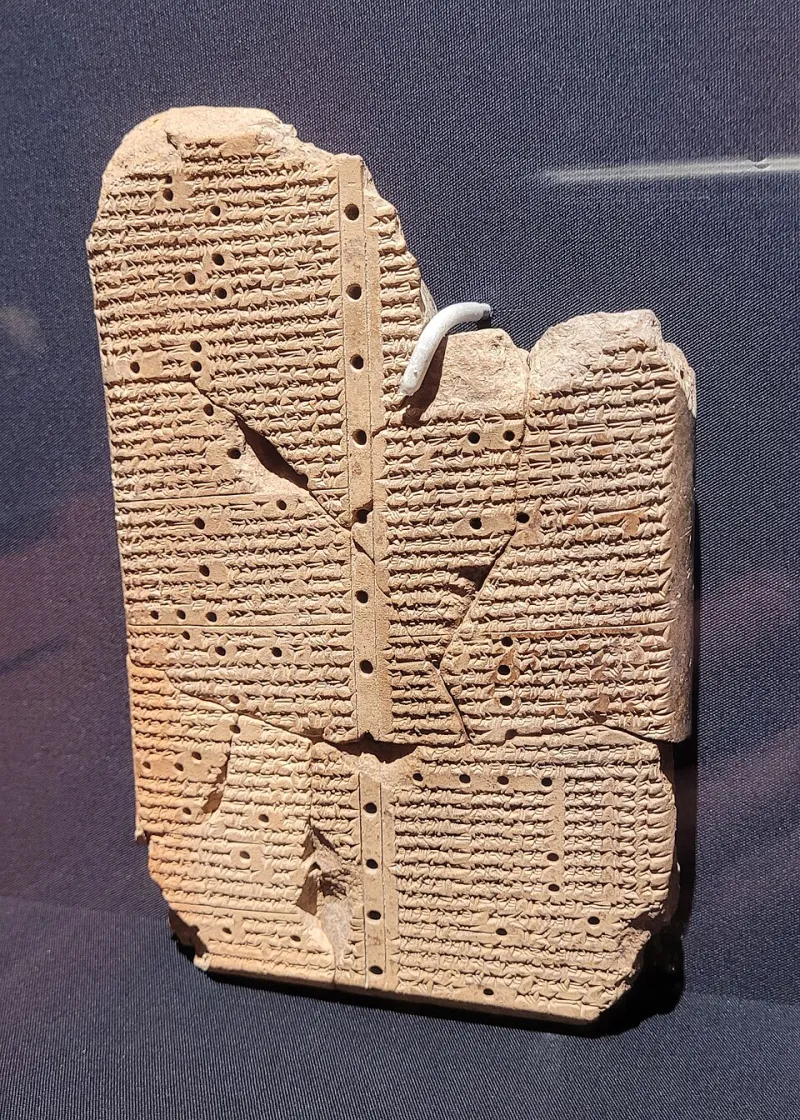
In ancient Mesopotamia, temples were the largest employers in most cities, and much of the labor they absorbed was not compensated in grain or silver. Young scribes trained for years, copying texts for masters who profited from their output. Craftsmen dedicated seasons to temple projects on the understanding that their contributions would be remembered, their names inscribed, their standing in the community elevated.
Some of that promise was kept. Some was not. The cuneiform record includes complaints from workers who discovered that proximity to the temple did not translate into the standing they had been promised — a sentiment that would be immediately recognizable to any modern intern reviewing their post-graduation job prospects.
The Apprentice's Bargain
Medieval European guilds formalized the arrangement to a degree that ancient temples never attempted. An apprentice received training, room, and board in exchange for labor, with the understanding that years of service would culminate in guild membership and independent standing. The system worked when the guild honored the endpoint. It failed when masters discovered they could keep apprentices in perpetual semi-servitude, extending the training period indefinitely and never conferring the promised status.
The historical record shows that when the endpoint became fictional, apprentices rebelled — sometimes by leaving, sometimes by forming their own organizations, sometimes by simply refusing to believe the next version of the same promise.
The Modern Translation
The contemporary American internship is the latest iteration of a very old template. The exchange is labor for connections, for resume material, for the intangible asset of having been in the room. In some industries, this trade works as advertised. In others, it functions as a mechanism for extracting skilled work at zero cost while filtering opportunity toward those who can afford to work without pay.
The pattern from the deep record is consistent: the bargain holds as long as the promised payoff is real and reachable. When the exposure does not convert into opportunity — when the apprenticeship ends without guild membership, when the internship ends without a job offer, when the temple never inscribes your name — the arrangement loses its legitimacy, and workers respond accordingly.
History does not suggest that the deal itself is inherently exploitative. It suggests that the deal is only as good as the institution's track record of honoring it. Organizations that convert unpaid labor into genuine advancement have, across five millennia, retained their workforce. Organizations that treat exposure as a substitute for compensation have, with equal consistency, eventually found themselves unable to recruit.